The Quiet Power of Plantings: How the Right Plants Shape a Tempe, AZ, Outdoor Space
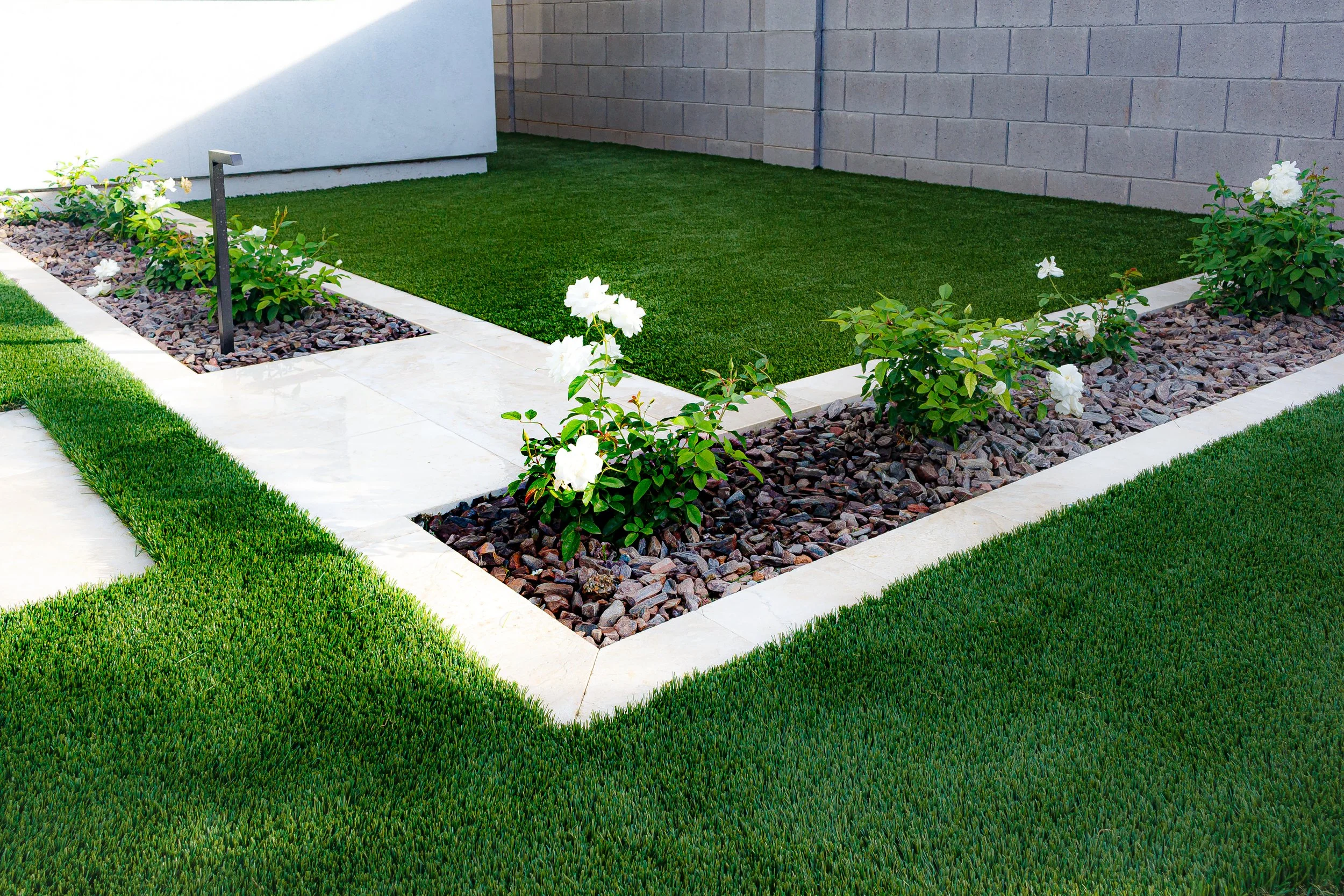
Most people think about plantings last. The patio gets designed first, then the kitchen, the fire feature, and the pergola. Plants get selected after everything else is locked in, treated as filler rather than as a design element with its own logic. In Tempe, AZ, that approach produces yards that look finished on paper but feel flat in person.
The plantings are what give a space its character. They soften hard edges, add movement, create contrast against stone and concrete, and shift the way a yard reads at different times of day and across different seasons.
Get them right and the entire design feels grounded. Get them wrong and even an expensive build never quite comes together.
Related: Plantings In Tempe, AZ, That Actually Work In The Heat
Plantings Create Structure Without Adding Weight
Hardscape sets the layout of a yard. Plantings define how that layout feels to move through. A row of Desert Spoon along a patio edge creates a visual boundary without boxing the space in.
A Palo Verde positioned near a seating area introduces canopy and filtered light without the permanence of a structure. Agave anchors a corner or frames a transition between zones. None of this reads as decorative. It reads as intentional design.
In Tempe, where lots lean toward open exposure and strong sun, plantings also do practical work. Positioned correctly, shrubs and ornamental grasses reduce reflected heat off paving surfaces and create pockets of cooler air around seating areas.
The design benefit and the functional benefit arrive together, and the yard becomes more comfortable to spend time in as a result.
Texture and Contrast Drive Visual Interest Year-Round
Arizona's desert palette rewards plants that bring texture rather than just color. Blooms are seasonal. Texture is constant. The fine needles of Desert Needle Grass against the broad paddles of a Prickly Pear, the silver-blue of an Agave next to the warm bark of a Mesquite.
These combinations create depth that holds up through every month of the year, not just during peak bloom cycles.
Color does play a role. Brittlebush, Salvia, and Bougainvillea deliver bold seasonal displays that bring energy to a yard when temperatures allow. The best planting plans layer both, so there is always something contributing to the visual while the showier elements cycle in and out.
A yard designed this way never looks dormant, even in the depths of a dry Arizona summer.
Related: How Thoughtful Plantings in Gilbert and Chandler, AZ, Support Year-Round Color
The Right Plantings Make the Rest of the Design Look Better
A fire feature surrounded by bare gravel reads as an island. The same fire feature framed by Desert Willow and low ornamental grasses reads as a destination. Plantings give built elements something to belong to. They connect the outdoor kitchen to the patio, the patio to the lawn edge, the lawn edge to the perimeter. That sense of connection is what separates a yard that looks assembled from one that looks designed.
Plant selection in the desert also requires thinking beyond aesthetics. The wrong species in the wrong spot creates maintenance pressure and replacement cycles that undermine the whole design. Native and desert-adapted plants, placed according to sun exposure and drainage patterns, stay healthier longer and hold their shape without constant intervention. That is the difference between plantings that perform and plantings that just survive.
Rising Tide Luxury Outdoors selects and installs plantings as part of a complete outdoor design, not as an afterthought. If you are planning a backyard transformation in Tempe, AZ, schedule a consultation with Rising Tide Luxury Outdoors and let's talk about what the right plants can do for your space.
Related: From Scottsdale to Arcadia: Smart Plantings for Arizona’s Desert Climate